Family Safety Alert
The 2 A.M. Phone Call Every Family With Aging Parents Needs to Prepare For
The FBI is warning that criminals are now using artificial intelligence to copy the voices of children and grandchildren — and calling the people who love them most. Three minutes of preparation stops the most common version of this scam cold.
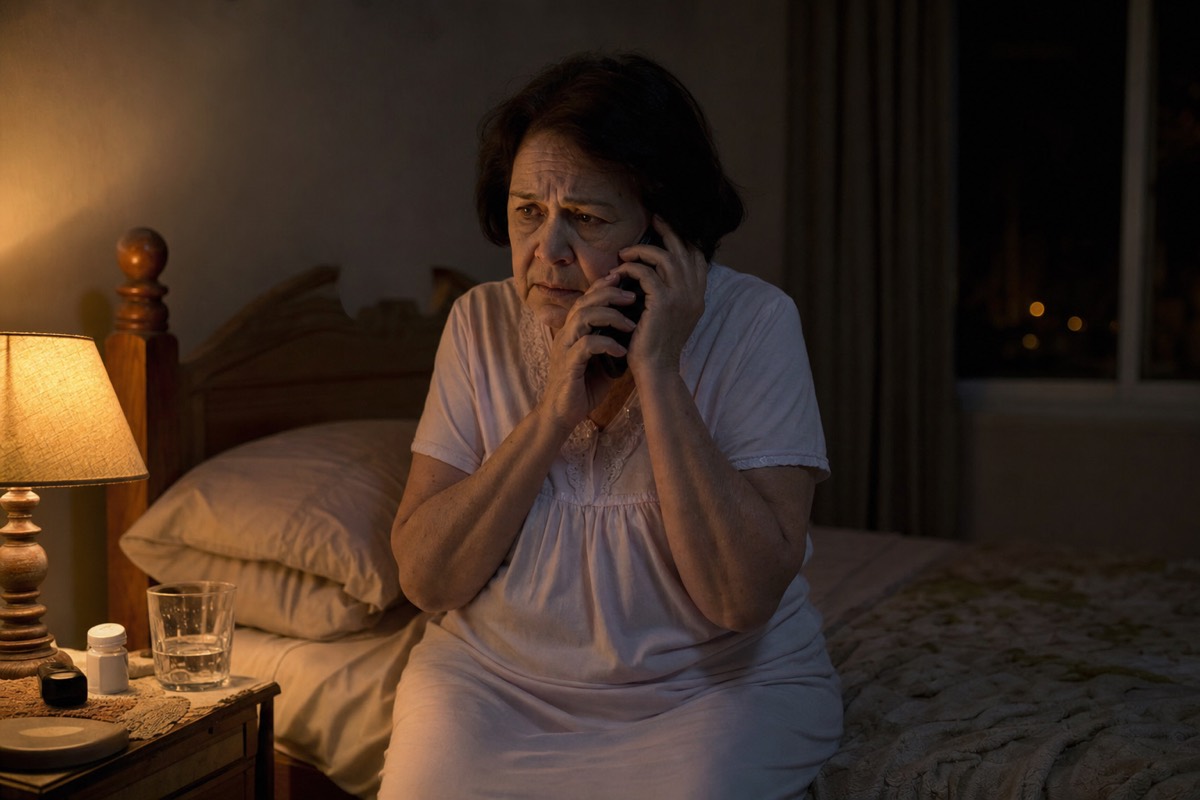
Imagine the phone ringing at two in the morning.
The voice on the line is your grandson's. Not similar — his. The same laugh-roughened edge, the same way he says "Grandma, it's me." Except he isn't laughing. He says he's been in an accident. Or arrested. Or worse. There's crying. A second voice — a "lawyer," a "police officer" — takes the phone and explains, calmly, that this can all be handled quietly tonight: a few thousand dollars, by wire transfer or gift cards, and please, don't call his parents. He begged them not to wake anyone.
Almost nobody hangs up on that call. Because it isn't a stranger's voice. It's a voice you've known since the day he was born.
It's not him. And it only took three seconds of audio.
This month, the FBI issued a warning about exactly this scheme: criminals using AI "voice cloning" tools to mimic loved ones in distress. The technology needs only a few seconds of real audio to build a convincing copy of anyone's voice — and that audio is already public. A birthday video on Facebook. A graduation clip. A voicemail greeting. A school fundraiser livestream.

The demands typically run between $2,500 and $15,000 — paid in gift cards, wire transfers, or Bitcoin, all nearly impossible to recover. And the targets are not careless people. Retired teachers. Engineers. Nurses. The scam doesn't work because victims are foolish. It works because the call hijacks the two things that make someone a good parent or grandparent in the first place: love, and the instinct to act fast when family is in danger.
The one-word defense law enforcement recommends
Here is the good news: the most effective defense against voice-cloning scams costs nothing and takes one family conversation. Law enforcement and cybersecurity experts recommend every family agree on a safe word — a single word or phrase that only your family knows, and that any caller claiming to be family must say before you believe an emergency is real.
- Pick a word that can't be researched. Not a pet's name, a street, or anything that has ever appeared on social media.
- Agree on the rule: no safe word, no money, no exceptions — hang up and call the person back on the number you already have for them.
- Write it down and share it in person or by phone — never in a text, email, or post.
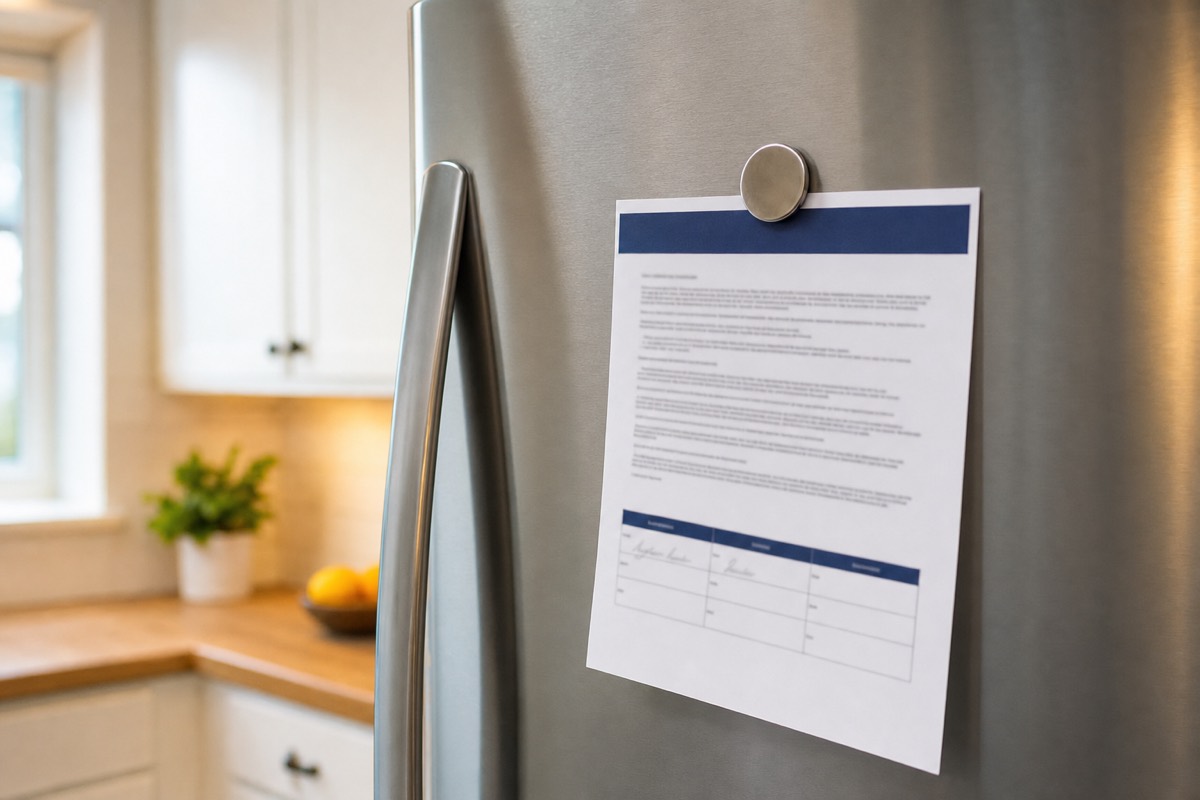
We've prepared a free, printable Family Safe Word Agreement — a one-page sheet families fill in together and keep by the phone. It takes about three minutes. You can get it at the bottom of this article.
The step most families miss
But there's an uncomfortable question hiding inside the safe-word advice, and it's the part most articles skip:
How did the scammers know who your grandson was — and your phone number — in the first place?
The answer is that they didn't guess. Data-broker websites openly sell profiles that connect your name, age, phone number, home address — and your relatives' names — assembled from public records and old data breaches. A criminal pairs that family tree with a voice sample from social media, and the 2 A.M. call writes itself. That's why the FBI tracked $893 million in AI-fraud losses last year, the first year it counted this category at all — and why this year is on pace to be far worse.
You cannot remove yourself from those databases once and be done — there are hundreds, and they repopulate. But you can shut down the easiest ways scammers reach your family: agree on the safe word, lock the privacy settings that leak your voice and photos, and scrub the listings that expose your phone number and relatives. None of it is complicated once someone shows you, step by step.
So we've put it all in one place — starting with the free one-page sheet below, and continuing with our plain-English guides by email.
Get your free Family Safe Word Agreement
The printable one-page sheet to fill in with your family tonight and keep by the phone — the single most effective defense against these calls. We'll also send you our short email series on locking down the rest, free.
Get the Free Safe Word Sheet →Free. No card details. Just the sheet, sent straight to your inbox.
Got a worrying message right now? Check it free with our scam-checker →
Do it tonight.
The families who lose $15,000 to a cloned voice and the families who calmly hang up are not different kinds of people. They're the same people, separated by one conversation they did or didn't have. Three minutes, one sheet, one family agreement. Do it while it's on your mind — the calls are going out every night.